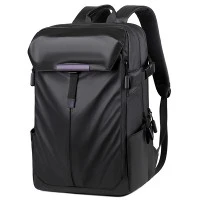
As pickleball continues growing beyond dedicated clubs and tournament players, more players are looking for court bags that fit daily use instead of oversized sports luggage. For many casual games and local court sessions, carrying a large backpack is no longer necessary.
This shift is one reason lightweight sling bags have become increasingly common in the pickleball market over the past few years. At the same time, backpacks still remain an important option for tournament travel and players carrying larger equipment setups.
For brands, distributors, and private label buyers developing new pickleball bag collections, understanding the actual usage differences between sling bags and backpacks is often more important than simply adding extra compartments or larger storage space.
A compact pickleball sling bag is usually better suited for quick-access daily carry, while backpacks are still more practical for long tournament days, travel, and players carrying heavier gear loads.
Why Sling Bags Are Becoming More Popular
One noticeable change in the pickleball bag market is the growing demand for lighter and easier-to-carry court bags.
Most casual players are only bringing a couple of paddles, some pickleballs, a water bottle, and a few personal items to local courts. In these situations, a large backpack often feels excessive, especially for short sessions or quick games after work.
This is where sling bags fit naturally.
Compared with traditional sports backpacks, sling bags are usually lighter to carry, easier to move around courts, quicker to access during games, and more comfortable for commuting and short-distance use.
The single-strap structure also allows players to rotate the bag forward quickly when accessing paddles, phones, towels, or accessories without fully removing the bag.
For daily court use, many players simply prefer a lightweight pickleball sling bag design that feels compact and easy to carry rather than something built for full tournament travel.
When a Backpack Still Makes More Sense
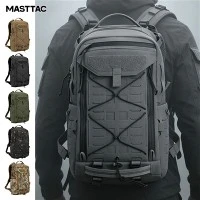
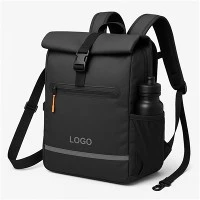
Although sling bags are growing quickly, backpacks are still the better option for players carrying larger equipment setups.
Backpacks are commonly used for:
- tournament travel
- full-day training sessions
- players carrying multiple paddles
- coaches and advanced players
- players needing shoe storage
- extended outdoor sports use
Compared with sling bags, backpacks usually provide larger storage capacity and better weight distribution, especially when carrying heavier loads throughout the day.
Many backpack layouts also include:
- separate shoe compartments
- larger organizer sections
- insulated cooler pockets
- laptop storage
- multi-paddle storage
- reinforced shoulder support
For players regularly traveling between courts or spending long hours at tournaments, backpacks remain the more practical long-term solution.
Storage Layout Differences
One of the biggest differences between sling bags and backpacks is how storage is organized.
Sling Bag Layout
Most sling bags focus on compact organization and quick-access storage rather than maximum carrying capacity.
Common layouts often include:
- padded paddle compartment
- front accessory pocket
- hidden zipper section
- side bottle holder
- fence hook
- lightweight compact structure
The overall design is intended to keep movement simple and convenient around courts.
Many brands also prefer sling bags for entry-level product lines because the structure is easier to position as a lightweight lifestyle sports product instead of a heavy-duty travel bag.
Backpack Layout
Backpacks are designed for larger storage needs and longer periods of use.
A typical pickleball backpack may include:
- multi-paddle storage
- separate shoe sections
- larger main compartments
- insulated storage pockets
- laptop sections
- reinforced carrying straps
This structure works better for tournament players, coaches, and players carrying more gear throughout the day.
Backpacks also provide more flexibility for travel-oriented product collections where additional storage is expected.
Which Bag Type Works Better for OEM Projects?
From a product development perspective, sling bags and backpacks are usually positioned for different customer groups.
Sling bags are more commonly used for:
- lightweight sports collections
- casual player markets
- club merchandise
- seasonal retail programs
- urban sports collections
- entry-level pickleball products
Because the structure is relatively simple, sling bags are also easier to develop for lower-volume OEM and private label programs.
Backpacks are more commonly used for:
- premium sports collections
- tournament-focused products
- travel-oriented bag programs
- advanced player markets
- larger storage requirements
Compared with sling bags, backpack projects usually involve more complex compartment development, larger material usage, and higher overall production costs.
Material Quality Matters More Than Extra Compartments
One common issue in sports bag development is focusing too heavily on adding extra pockets while overlooking long-term durability and actual player usage habits.
For both sling bags and backpacks, experienced buyers usually pay closer attention to:
- fabric durability
- zipper quality
- shoulder strap reinforcement
- paddle protection structure
- stitching consistency
- waterproof performance
- carrying comfort
In many cases, a cleaner and more balanced layout performs better than oversized bags filled with unnecessary compartments that players rarely use in real court situations.
Final Thoughts
There is no single pickleball bag structure that works for every player.
Sling bags are becoming more popular because they fit the growing demand for lightweight daily carry and compact court storage. Backpacks remain the better option for tournament travel, larger equipment setups, and players spending longer hours at courts.
For brands and distributors developing pickleball collections, choosing the right bag structure usually matters more than simply adding more storage features. Understanding how players actually use the bag is often what determines whether a product works well in the market.
Buyers looking for lightweight daily court carry solutions often prefer compact pickleball sling bag options for their portability and quick-access storage, while larger backpack structures continue to perform better for tournament and travel-focused use.